Recreational kayaks
Stable, approachable craft for relaxed lake routes, sheltered bays, casual river days, and comfortable shoreline exploration.
SeaMotion Paddle Edit
Thoughtful watercraft, balanced equipment, and practical preparation for calm lakes, winding rivers, coastal routes, tandem outings, and unhurried exploration beyond the shoreline.
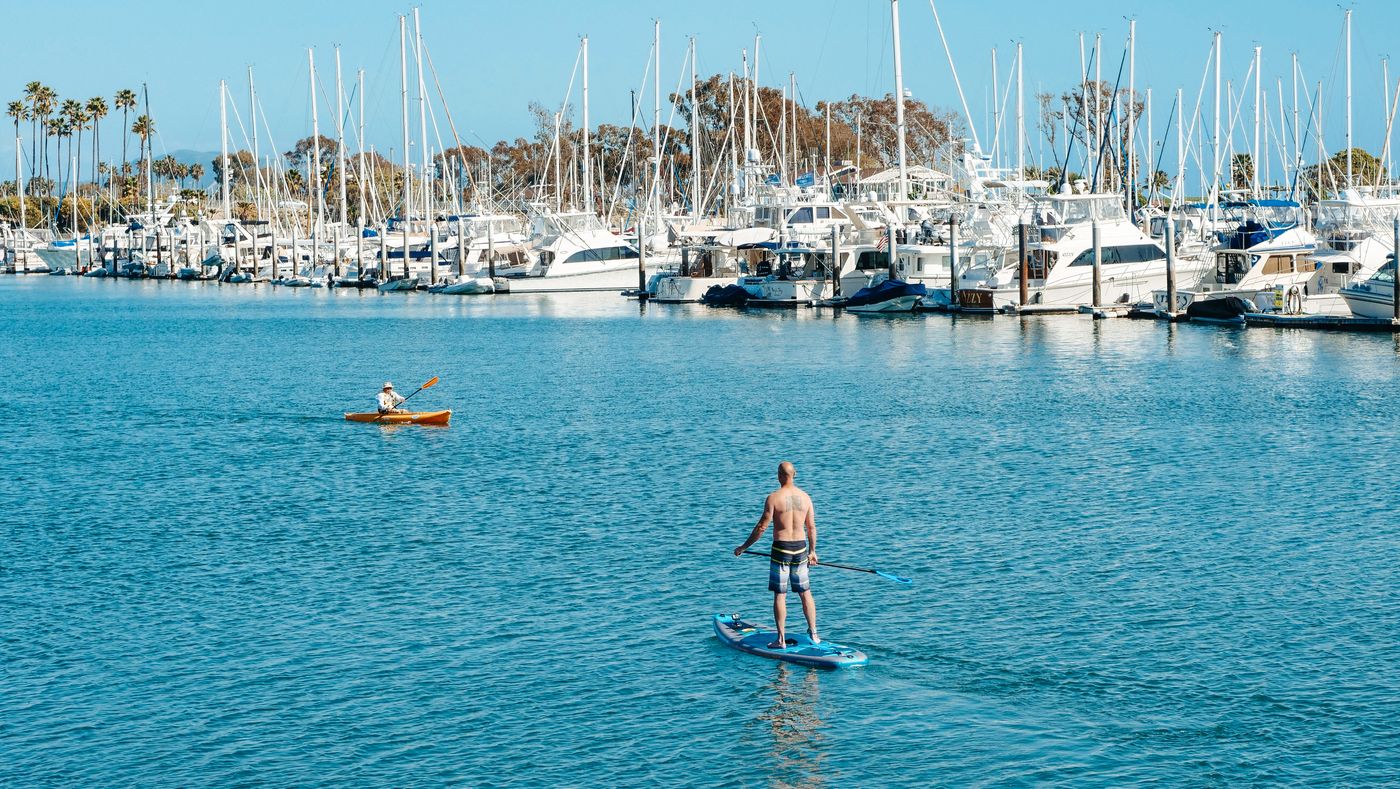
Choose your craft
The ideal setup begins with where you plan to paddle, who is joining, how the equipment will travel, and how much stability, speed, storage, or portability the day requires.
Stable, approachable craft for relaxed lake routes, sheltered bays, casual river days, and comfortable shoreline exploration.
Packable kayaks and boards for smaller vehicles, limited storage, travel plans, and flexible launches away from crowded access points.
Shared kayaks and recreational canoes for coordinated paddling, family outings, additional cargo, and longer conversations on the water.
Inflatable and rigid paddle boards for balance, fitness, sightseeing, gentle touring, and a more open connection with the water.
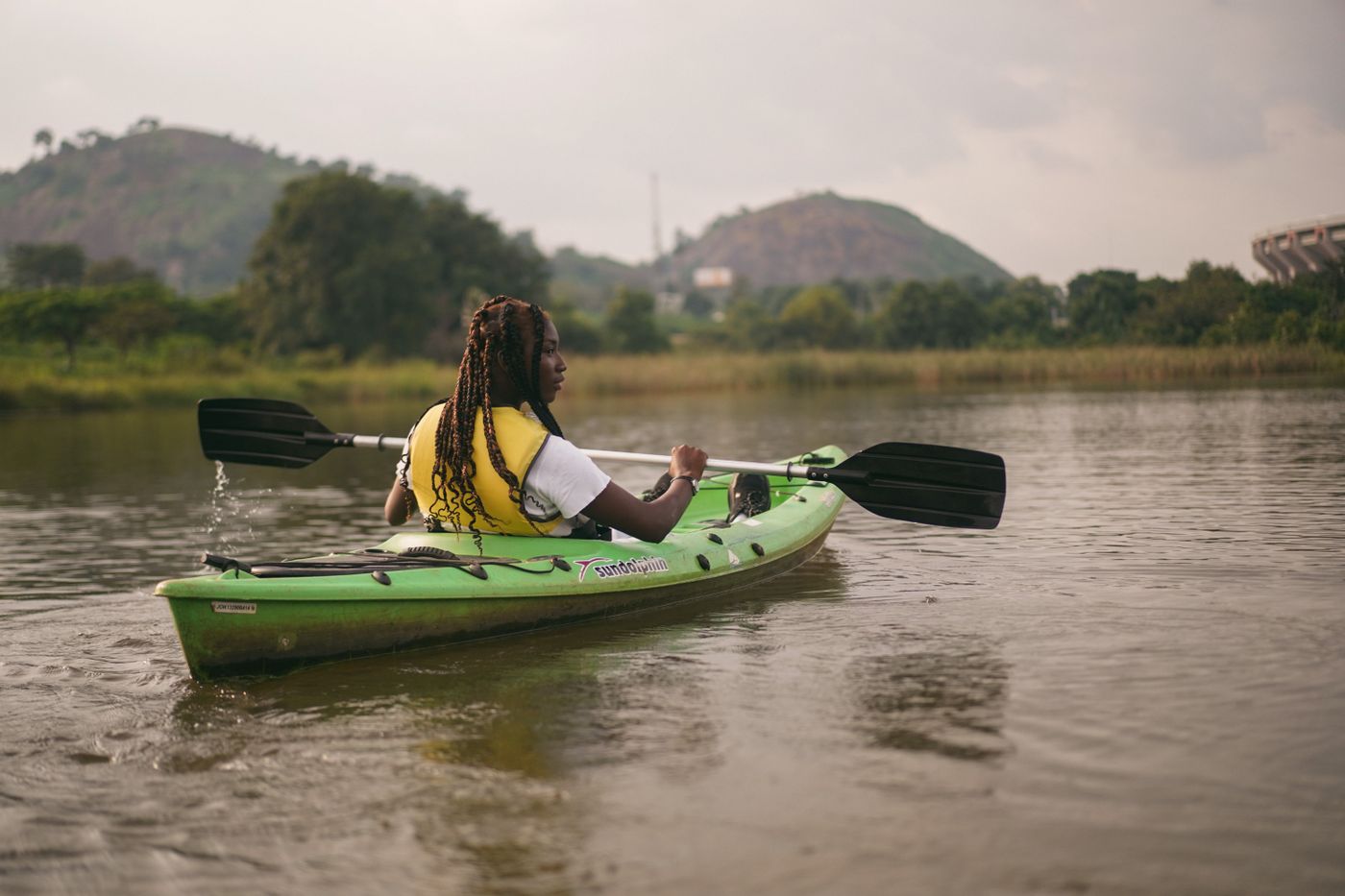
A stable recreational kayak creates space to refine paddle rhythm, route awareness, and comfortable control.
Recreational & inflatable kayaks
Kayaks reward relaxed posture, measured strokes, and equipment that fits the paddler rather than forcing the paddler to adapt. Consider cockpit space, seat support, carrying weight, storage, and the type of water you expect to encounter most often.
Inflatable & rigid paddle boards
Paddleboarding begins with a controlled stance and a board suited to the user’s size, skill, cargo, and intended environment. Wider boards support stability, while longer streamlined shapes favor touring and efficient glide.
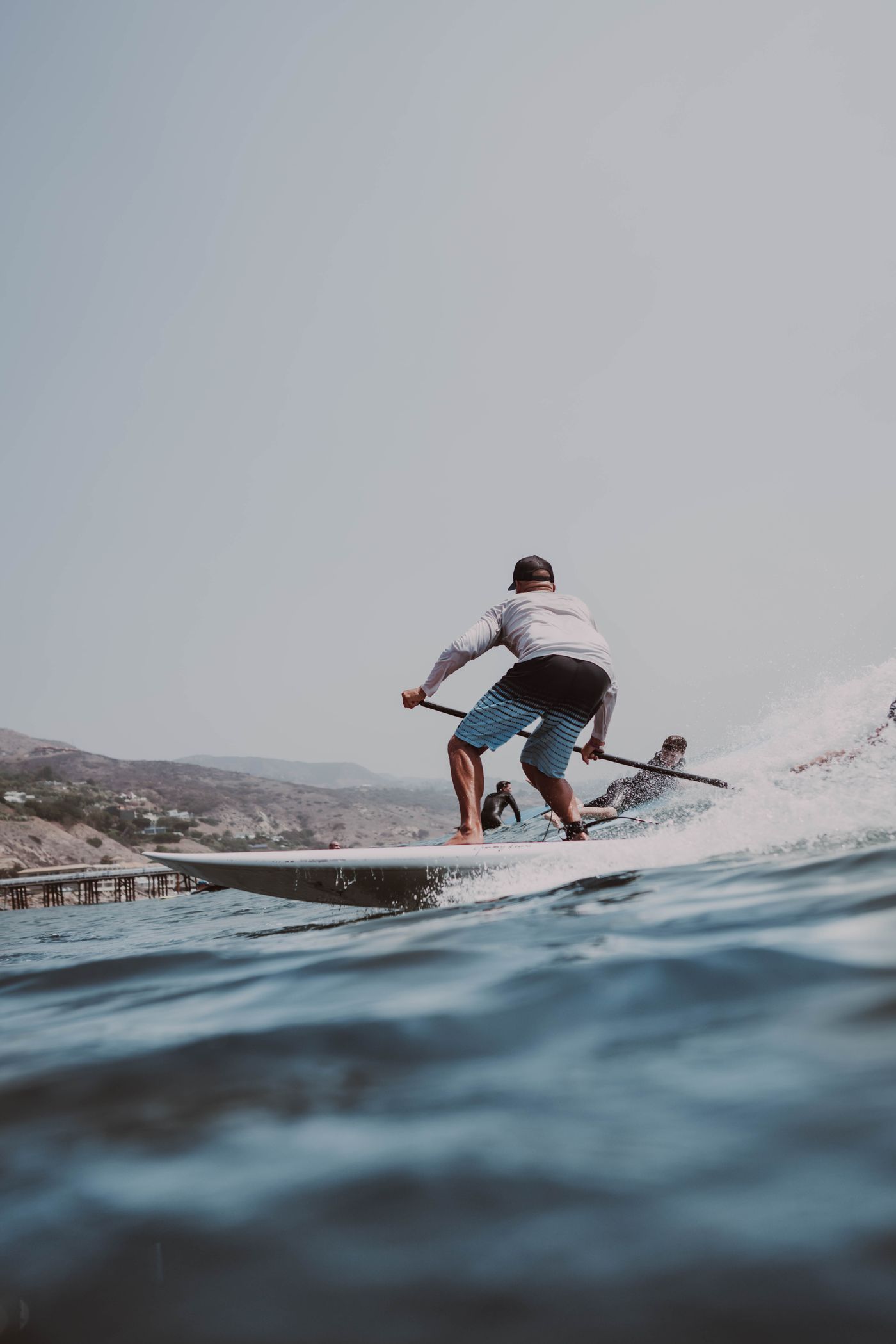
A centered stance, relaxed grip, and deliberate paddle entry create smoother forward movement.
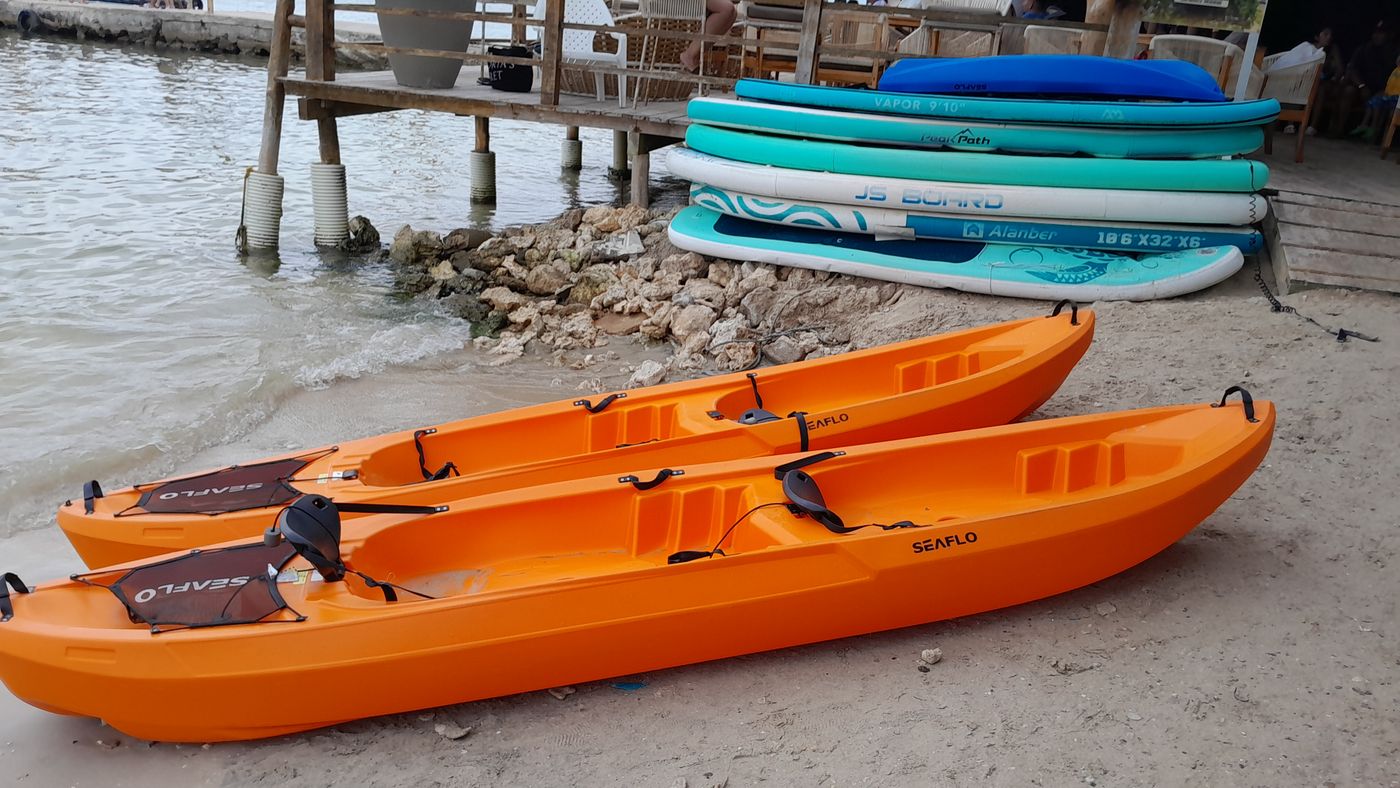
Organized equipment and a clear launch sequence reduce carrying time and protect gear from avoidable damage.
Racks, carts, pumps & storage
The journey from storage to shoreline should feel as considered as the time on the water. Reliable racks, carts, pumps, straps, protective storage, and repair pieces simplify loading and help preserve the equipment between outings.
Tandem routes & shared water days
Tandem paddling becomes smoother when each person understands the rhythm. The front paddler sets a consistent pace while the rear paddler supports steering, correction, and communication.
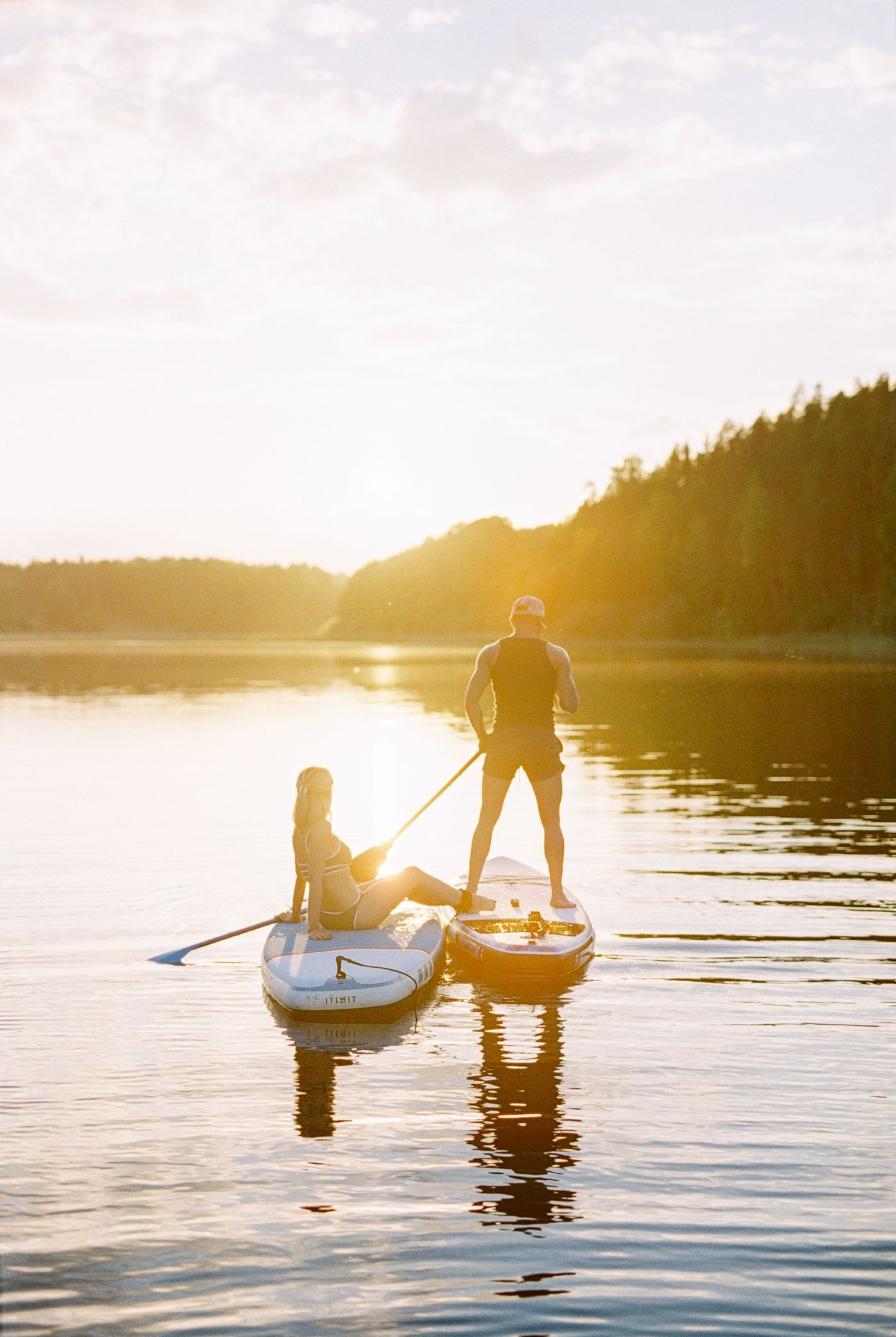
Shared routes feel more natural when pace, steering, cargo, and communication are decided before launch.
SeaMotion collection guide
Build the core watercraft first, then add the equipment that supports control, comfort, safety, transport, storage, maintenance, and an easier return to shore.
Approachable watercraft for local lakes, sheltered coastal routes, casual river days, travel, and flexible home storage.
Shared craft for coordinated outings, family exploration, additional cargo, and comfortable movement across calmer water.
Stable recreational boards and efficient touring shapes for balance, fitness, sightseeing, and open-deck exploration.
Supportive accessories and replacement parts selected to improve control, comfort, fit, and continued equipment use.
Activity-appropriate protection for prepared launches, visible group movement, changing conditions, and added confidence.
Transport and care essentials that support loading, inflation, field adjustments, storage, and readiness between trips.
A considered paddle day
A calm sequence from preparation to pack-down protects energy, equipment, and the quality of the route.
Review wind, water movement, temperature, visibility, access points, distance, group ability, and a realistic return time.
Adjust seats, foot positions, paddle length, fins, leashes, flotation, and cargo while the equipment remains stable on shore.
Establish rhythm, observe the group, keep safe exits available, and save enough energy for changing conditions and the return route.
Remove salt, sand, and residue, open storage areas, dry every surface, release unnecessary pressure, and inspect equipment before packing.