Clear product information
Descriptions should make important dimensions, materials, capacities, compatibility, included items, and intended uses easier to understand.
SeaMotion Product Standard
Last reviewed: August 2, 2026
SeaMotion brings together water-sports and outdoor-leisure equipment with a focus on clear product information, responsible selection, practical preparation, routine inspection, and safer use around lakes, rivers, coastlines, beaches, and pools.
No product removes every risk from water or outdoor activity. Customers should follow product instructions, local rules, official warnings, capacity limits, age guidance, supervision requirements, and conditions at the place of use.
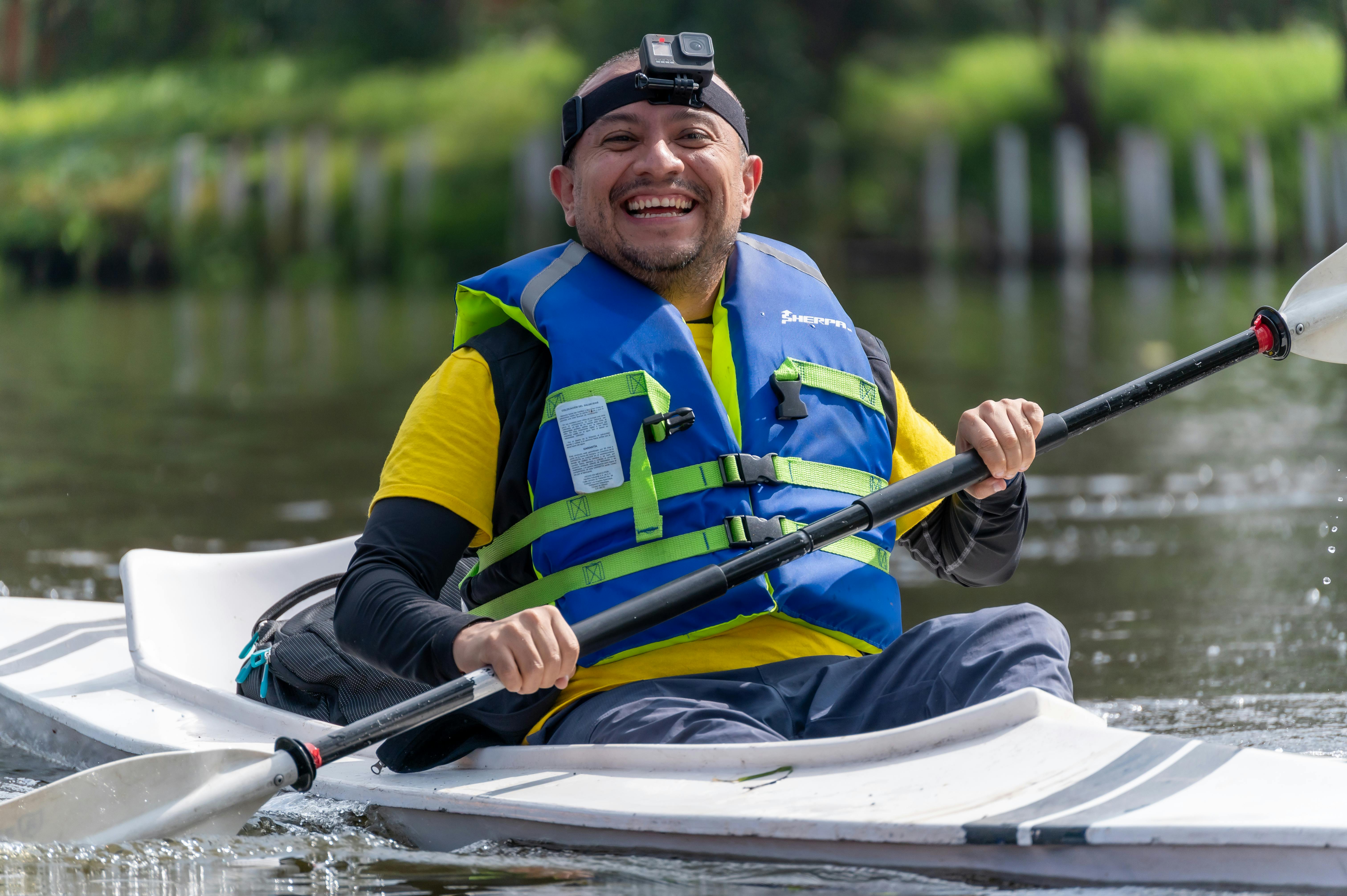
The SeaMotion standard
Product quality is not defined by appearance alone. Fit, construction, capacity, compatibility, included components, warning information, transport requirements, maintenance needs, and the intended environment all shape whether a product is appropriate for a particular customer or activity.
Descriptions should make important dimensions, materials, capacities, compatibility, included items, and intended uses easier to understand.
Customers should match equipment to the user, activity, skill level, water environment, transport method, and applicable local requirements.
Every item should be checked for damage, missing components, incorrect assembly, contamination, wear, and unsuitable fit before entering the water.
Fresh-water rinsing, complete drying, protected storage, and timely repair help preserve performance and reveal developing problems.
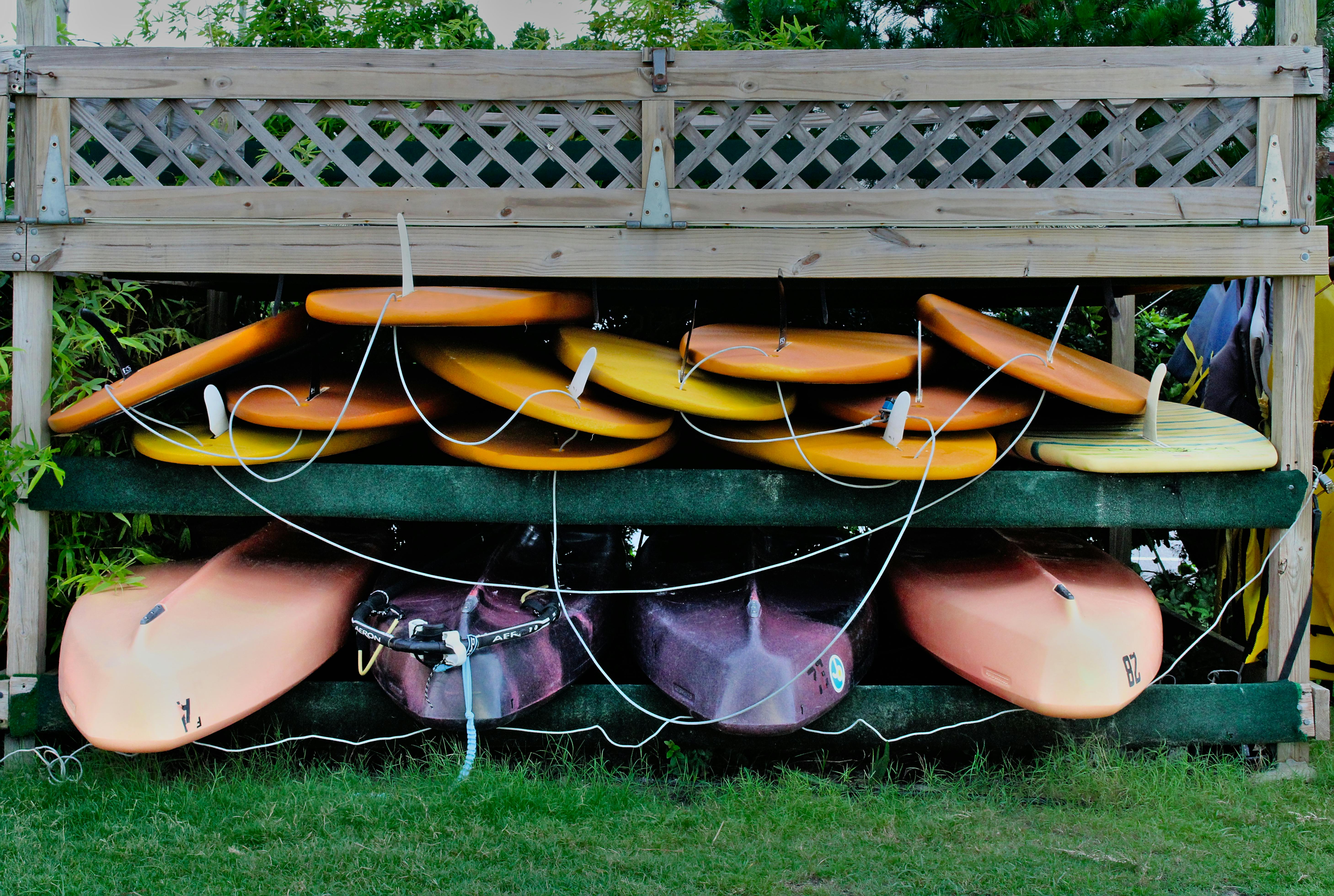
Organized storage and visible equipment condition make preparation, inspection, and maintenance easier.
Our product-quality approach
SeaMotion aims to present products in a way that helps customers evaluate suitability before purchase. Product pages may include information supplied by manufacturers, brands, distributors, technical documents, packaging, and other commercial sources.
Product standards
The exact requirements vary by product type. The standards below describe the information and product characteristics SeaMotion considers important when presenting watercraft, apparel, flotation, recreation, storage, transport, and maintenance equipment.
Product information should identify important materials, surface finishes, seams, closures, valves, attachment points, hardware, protective layers, or structural features relevant to ordinary use and care.
Listings should communicate measurements, weight, passenger capacity, load limits, inflation guidance, fit range, or storage volume when these details affect safety, compatibility, transport, or performance.
Customers should be able to identify intended models, mounting methods, replacement-part compatibility, required accessories, and the components included in the package before ordering.
Available setup, use, inspection, maintenance, storage, supervision, age, environment, and hazard information should be preserved and reviewed before the product is used.
Products should arrive with the listed components and packaging suitable for ordinary transportation. Customers should inspect cartons, seals, accessories, and protective materials before assembly or use.
Order details, product identifiers, photographs, packaging labels, and customer reports may be used to review an issue, identify affected products, or support a replacement, return, refund, or listing update.
Safety by product category
Watercraft, flotation products, body-contact gear, tow equipment, shade structures, storage, and transport systems each create distinct preparation and inspection needs.
Check hulls, seams, handles, seats, foot supports, fins, drain plugs, valves, deck attachments, weight limits, pressure guidance, and every connection used to support the paddler or cargo.
Confirm activity suitability, user fit, weight or chest range, closures, straps, fabric, foam condition, labels, and any required inspection or replacement guidance before every use.
Inspect lenses, skirts, straps, mouthpieces, valves, fin pockets, edges, and cleanliness. Body-contact products should be washed and maintained according to their instructions and never shared when hygiene or fit makes sharing unsuitable.
Review rider limits, inflation levels, handles, bindings, rope condition, tow points, speed guidance, observer requirements, clearance distances, and the compatibility of all equipment in the towing system.
Use anchors, lines, frames, and closures as directed. Do not use lightweight shade products in winds or weather beyond their stated limits, and never leave them unattended when conditions can change.
Confirm vehicle and product compatibility, attachment points, load ratings, fastener condition, strap routing, clearance, and secure loading before movement. Recheck the load after a short travel distance.
Inspect seams, chambers, valves, pressure, patches, and surface condition. Keep inflatables away from sharp objects, excessive heat, overinflation, and uses beyond the stated purpose or water environment.
Supervision, flotation, and local conditions
Product quality cannot replace judgment, training, supervision, or awareness of the environment. Water depth, weather, temperature, current, waves, tide, visibility, boat traffic, user ability, and distance from assistance can change the risk of an activity.
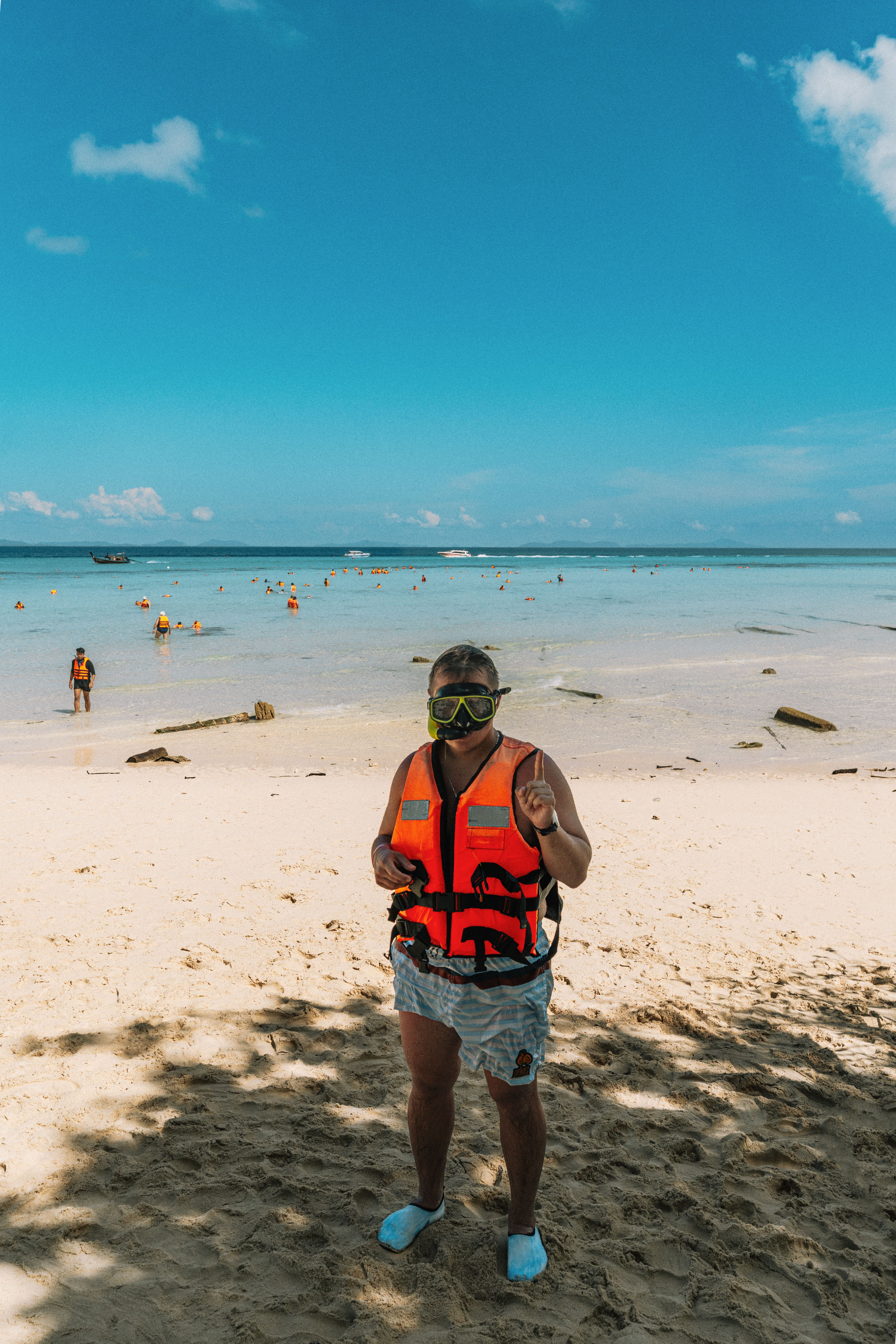
Protective equipment should be fitted, secured, and checked before the user enters the water.
Inspection and care routine
A consistent routine helps reveal missing parts, developing wear, unsuitable conditions, transport damage, and care problems before they become more serious.
Inspect the package, product, instructions, components, labels, fit, compatibility, and environment before assembly, inflation, installation, or entry into the water.
Check closures, straps, attachment points, pressure, paddles, fins, plugs, ropes, racks, flotation, cargo, communication equipment, and the agreed route.
Watch for changing weather, leaks, loosening hardware, damaged lines, unusual movement, discomfort, fatigue, pressure changes, and loss of control or visibility.
Rinse away salt, sand, chlorine, and residue; dry every surface; inspect for damage; release unnecessary pressure; and store equipment without harmful folds or loads.

Local instruction, qualified supervision, and official safety direction should take priority over general product information.
Instructions, qualifications, and compliance
General website content cannot account for every product, location, law, age group, medical consideration, or water condition. The most specific applicable instruction should guide the activity.
Concerns, defects, and corrective action
Prompt reporting helps SeaMotion review an individual order and identify whether product information, packaging, inventory, customer guidance, or broader corrective action requires attention.
Stop assembly or use, preserve the carton and internal packaging, and photograph the shipping label, package condition, product, damaged area, and included components before requesting support.
Compare the delivered contents with the product listing and instructions. Keep all packaging and identify the missing, duplicated, incompatible, or incorrect component clearly.
Stop using the item when a seam, valve, closure, flotation element, strap, tow point, frame, binding, mount, or structural component appears unreliable. Do not attempt an unauthorized repair before receiving instructions.
Report specifications, compatibility statements, images, dimensions, included-item descriptions, warning information, or instructions that appear inconsistent with the delivered product.
Seek emergency assistance first when anyone is injured or remains in danger. After immediate needs are addressed, preserve the product and relevant evidence and provide a factual account of the product, activity, conditions, and event.
Depending on the verified concern and available inventory, a resolution may include information support, a missing component, replacement, exchange, approved return, refund, listing correction, or further review.
When SeaMotion receives credible notice that an affected product requires customer action, we may update the listing, restrict sales, contact identifiable purchasers, or provide the available manufacturer or regulatory instructions.
Product listings, instructions, service records, customer feedback, damage reports, and return patterns may be reviewed so that recurring issues can be identified and addressed appropriately.
Before entering the water
A final pause before launch, swimming, towing, or play helps confirm that the equipment, environment, group, and emergency plan remain suitable.